So by now we are convinced that Warsaw and the Warsovians are key players in our history – cruelly pushed to one side by the narratives we’ve been taught.
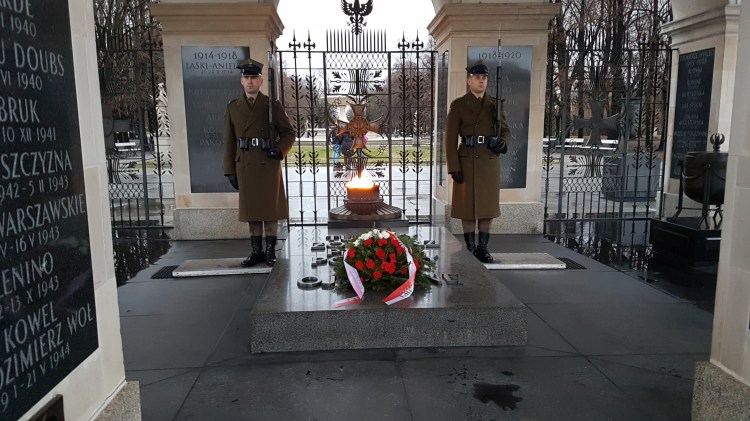
We were brought up on the movements of nationalism in the 19th century, the empires than formed about the central European powers, the rise of the USA, and the USSR and China. And the wars of the 20th Century, both hot and cold. all titanic and universal.
Poland features, but she’s a bit player, a Mcguffin – key to the plot but not in on the action. A Rosencrantz or a Guildenstern.
We learn fast (for a group of older actors that we are). Poland with its salt mines and its kings, its submersion in the Austro Hungarian Empire, its emergence as free state after 1918, and then its sacrifice in the Second World War.
Size is not everything. But in the context of her sacrifice, her almost complete innocence in the face of invasion, her people’s courage and indominatability, and her final humiliation by the allies in general and the Soviets in particular, Poland is a big country indeed.
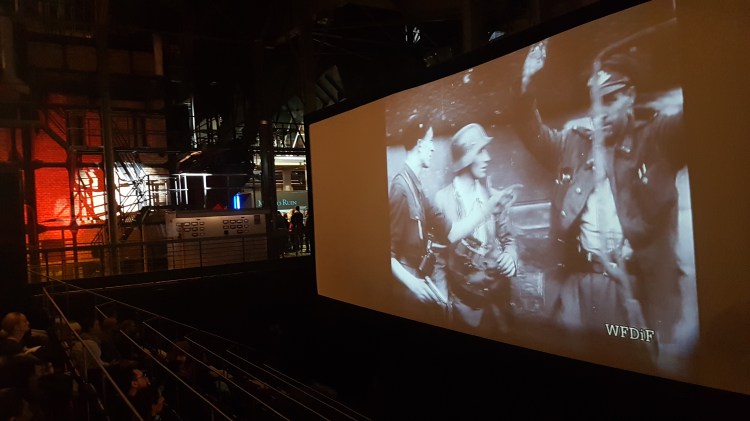
We visit the Muzeum Powstania Warszawskiego – the Uprising Museum – which is in a converted tram power station. The designers have created a breathtaking experience that immerses the visitor in every aspect of this doomed struggle. From the strategies employed, the role of the government in exile, the use of sewers as communication channels, the personal stories, the attempts by the RAF to supply the defenders, the weapons they designed and used, and were used against them, the treachery and cynicism of the Red Army, and the total destruction of the city following defeat. You will not meet a more involving and better told story of that War anywhere. This museum alone is a reason to visit Poland’s capital city. It is told in Polish and English. There is no excuse. Ryanair will get you there for the price of a round of drinks.
The post war period has been kinder. The Russians, having allowed the Germans to destroy Poland’s Home Government, rebuilt it as a communist puppet state but allowed its Catholic faith to persist, and poured money into reconstructing its buildings and productiveness.
We saw the massive avenues and the workers’ apartments they left behind them, and the new developments that EU membership has brought.
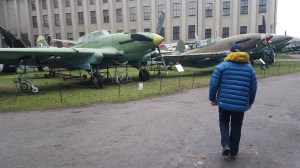
 We also enjoyed our look at the Russian military aircraft and tanks which form a crumbling display outside the Army Museum. There is something exciting in the steam punk arsenal of Migs, Petlyakovs and Sukhois that corrode peacefully in the icy Polish winter. This is the ordnance that defeated Hitler, and would have helped destroy the world, had the cold war turned hot.
Next door, the former Communist Party headquarters houses a slick real ale bar, a former showroom for Ferraris and a nice sandwicherie for lunch. What more could you say about Poland today?
 Poland with a Plan